
Creams/Ointments/Gels
Creams/Ointments/Gels Franchise
Creams, ointments, and gels are produced so that they can help provide a cure to the allergy, skin infections, and many other health-related issues. These medicated creams are a protection against harsh environmental conditions and they keep the skin healthy. Applying these medicated ointments and gels if prescribed by the doctor can help you to get rid of the skin issues and can get you healthy and clear skin. We will talk about the benefits of applying the medicated creams and why they should be used to get rid of infections.
Understanding the Difference: Creams vs Ointments vs Gels
While consumers might refer to skin products such as creams, ointments and gels as being interchangeable, they are actually chemically quite different and appropriate to different skin types and skin conditions. The choice of base is of crucial importance for delivering the active into the skin in the most efficient way.
Creams
Creams are emulsions of water and oil, with approximately equal quantities of each. Their composition means that they are light, easily spread and absorbed and so form the most versatile base for a range of cosmetic and medicated products. They are suitable for use on normal-to-oily skin, larger areas of the body and during the day as they do not provide a heavy greasy film.
Ointments
Ointments are oil-in- dominant preparations, containing about 80% oil with very little water. Ointments are occlusive, forming a layer over the skin which prevents water loss. They are suitable for very dry cracked or thickened skin, e.g. psoriasis and chronic eczema, providing occlusion for longer periods and therefore enhanced hydration.
Gels
While some gels are alcohol-based, many are water-based and contain cellulose derivatives which give a light, non-greasy, fast penetrating texture. As no oil is added to the skin, gels are particularly appropriate for oily and acne-prone skin, and areas such as the scalp, where a matte, rather than dewy glistening, look is desired. Gels often have a cooling effect when applied, so are useful for inflammatory skin problems and for application in hot, humid conditions.
When to use ointment, gels or creams?
It will always depend on what your skin condition is. You can get the best advice from a dermatologist before using a cream, ointment, or gel.
Because ointments’ thick, oil-based compositions help retain moisture, they might be a good choice for people with excessively dry skin. If you don’t want the oily feel that many oil-based treatments leave behind, creams which can also be effective for dry skin might be a better option. This is particularly valid for hand creams. If you want to cure a burn or have oilier skin, you might want to use a gel-based solution.
Gels’ high absorption rate can help reduce the likelihood of breakouts and make your skin feel less greasy overall.
What are the main benefits of applying creams/ointments/gels?
- They help retain the moisture of the skin and keep them hydrated. Furthermore, it also prevents the skin from dryness and flakyness.
- It also creates a layer over the skin that prevents the skin from losing water.
- They are effective in curing various skin conditions and rashes like psoriasis, eczema, and other skin-related conditions.
- It is effective in restoring natural healing and protecting the barrier of the skin. They can effectively make the skin look clean and healthy.
How to Choose the Right Formulation
The correct selection of a cream, ointment or gel comes down to the particular skin condition, the section of the skin where it will be applied and the patient skin type. As a general rule of thumb:
- Ointment (thicker and greasier than creams or lotions) is most suitable for very dry, flaky or thickened skin as the fats in the ointments tend to stay in the skin longer.
- In general, normal-to-combination and larger surface areas of the body are best treated with creams, which maintain a balance of formulation penetration and hydration.
- Gels are also preferred for: oily and acne-prone skin, and for conditions where a cooling, or drying effect is desired.
- Lighter formulation may be required in sensitive areas such as the face in the form of a cream or gel. Hands and feet due to regular washing often require a heavier preparation such as an ointment.
Hacks and slacks | Top creams/ointments/gels provider
A rising name in the Indian Pharma and dermatology franchise market, our Group is known for building product lines based on real market need and not on false glamour. Here’s the reasons why be hold the best accountability in your journey:
- A broad product basket that is continuously updated and spans multiple dermatological indications.
- Prepared from quality-assured raw materials and validated process.
- For an attractive monopoly based PCD franchise, available throughout the Country.
- Marketing and promotional support (visuals, product literature, samples).
- Pricing that reveals all, a track-record of punctual deliveries, and dependable supply chains.
For franchise partners, this means offering a reliable doctor-trusted line that’s easier to sell and recommend. For patients, it means products they can trust to get healthy, beautiful skin.
Frequently asked questions
Who should use ointments?
Because ointments’ thick, oil-based compositions help retain moisture, they might be a good choice for people with excessively dry skin. For instance, you may apply a thinner cream or lotion to your face and the rest of your body and an ointment to your hands and feet. Another way to protect skin and prevent dry hands is to apply an ointment after frequent hand washing.
What are the different types of ointments and gels available?
The company covers products for all types of skin conditions. The products are specially made keeping in mind the needs of the market and what skin conditions people go through daily. They have all the top-quality products available at reasonable prices.
How to know which product to use?
To have a clear idea about the products, diagnose your skin conditions properly with the doctor and they will prescribe you the right cream that has relevant compounds in it to cure the conditions.
What is the main difference between creams, ointments, and gels?
Creams are pre-dominately water and oil. Ointments are oil based and penetrate deeply, gels are completely water based, light and quickly absorbed.
Who can find the best results with ointments?
Individuals with excessively dry, cracked or thickened skin will find best results, as the fatty base of ointments prevents moisture loss for an extended period.
Are gels suitable for oily skin?
Yes, gels have a fast absorption, no greasy feel and are perfect for skin types which are greasy or prone to acne and not in need of heavier hydration.
Can I use these products without a doctor’s prescription?
Cosmetic creams are safe to use every day but medicated formulations should only be used as prescribed by a dermatologist.
What skin conditions do these products treat?
Our products are suitable for managing all those common skin concerns including fungal, eczema, psoriasis, acne, pigmented, dry skin etc in a safe and effective manner.
How do I choose the right product for my skin?
First, see a dermatologist and they will determine your condition and prescribe your cream, ointment or gel as necessary.
Does Hacks & Slacks Healthcare offer franchise opportunities?
Yes. We are also providing monopoly based PCD pharma franchise in all India, with marketing back up and assured delivery.
Are your products manufactured under quality-controlled conditions?
But yes every product, then goes through a full quality check, raw material, manufacturing areas, hygiene testing for each batch and finish pack quality check, before stocking ready for dispatch.
Showing all 95 results
-
Gels
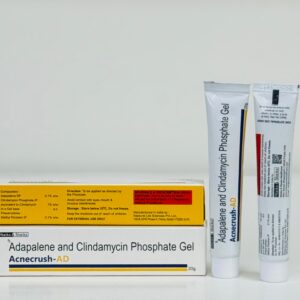
Acnecrush – AD Gel
-
Gels
Acnecrush – ISO Gel
-
Gels
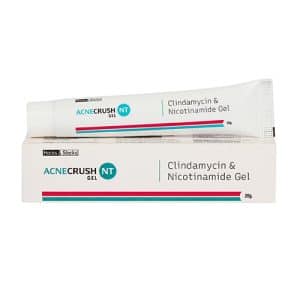
Acnecrush – NT Gel
-
Creams/Ointments/Gels
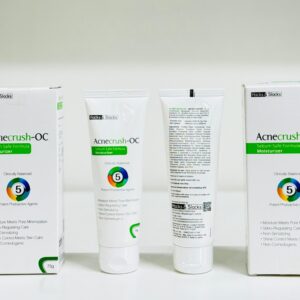
Acnecrush – OC Cream
-
Gels
Acnecrush – Tino Gel
-
Gels
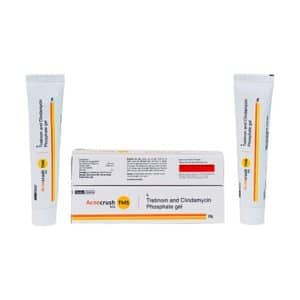
Acnecrush – TMS Gel
-
Gels
Adapex Gel
-
Gels
Adapex – BPO Gel
-
Creams
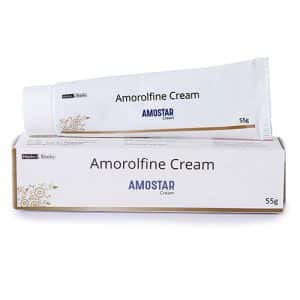
Amostar Cream
-
Creams
Amostar – XL Cream
-
Creams/Ointments/Gels
Amusoftin Cream
-
Creams
Amusoftin – C Cream
-
Creams
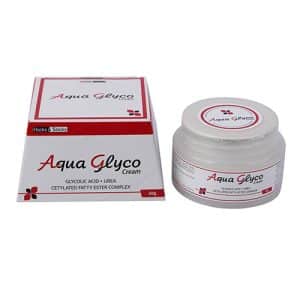
Aqua Glyco Cream
-
Ointments
Bactomus Ointment
-
Ointments
Bactomus Ointment
-
Creams
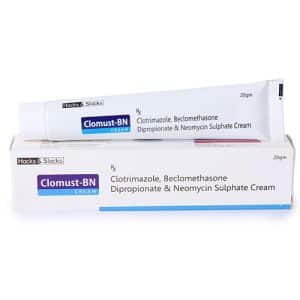
Clomust – BN Cream
-
Creams
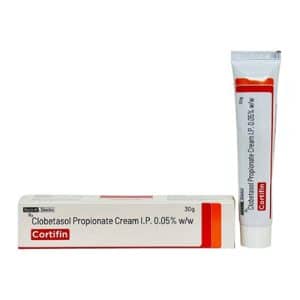
Cortifin Cream
-
Creams
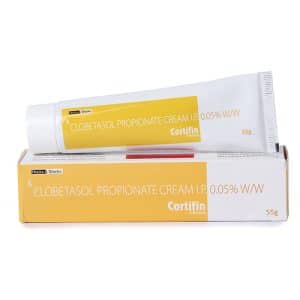
Cortifin Cream
-
Creams
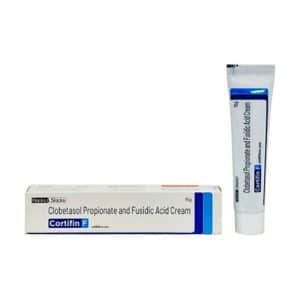
Cortifin – F Cream
-
Creams
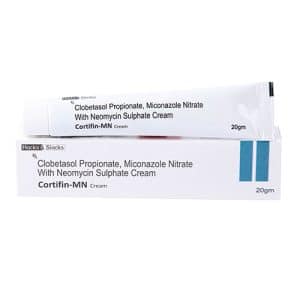
Cortifin – MN Cream
-
Ointments
Cortifin – SL 3% Ointment
-
Ointments
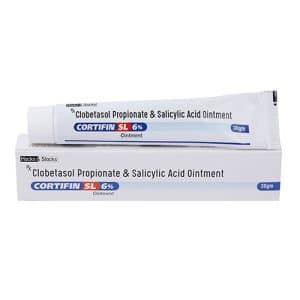
Cortifin – SL 6% Ointment
-
Ointments
Cortispor – C Ointment
-
Gels
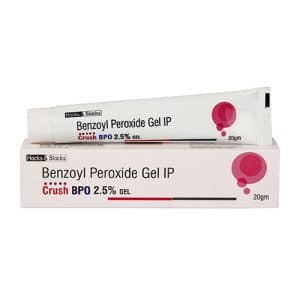
Crush – BPO 2.5% Gel
-
Gels
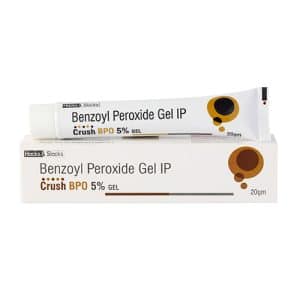
Crush – BPO 5% Gel
-
Creams
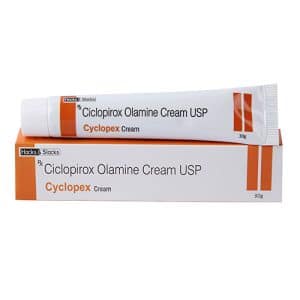
Cyclopex Cream
-
Creams/Ointments/Gels
Cyclopex – XL Cream
-
Creams
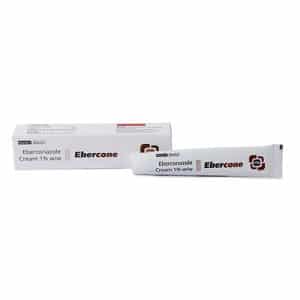
Ebercone Cream
-
Creams
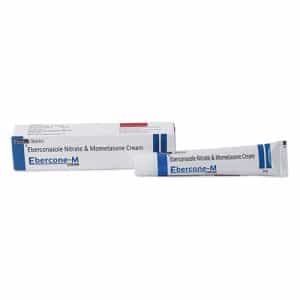
Ebercone – M Cream
-
Creams
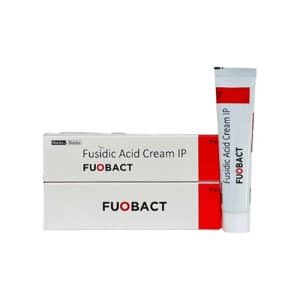
Fuobact Cream
-
Creams
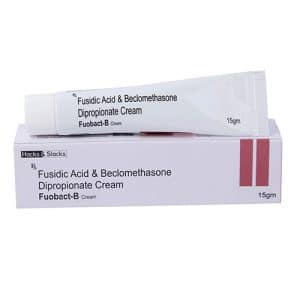
Fuobact – B Cream
-
Creams
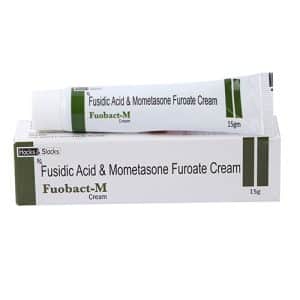
Fuobact – M Cream
-
Creams
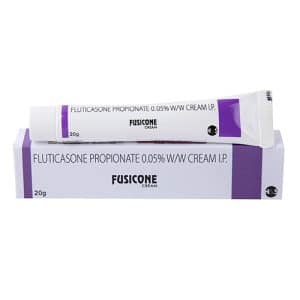
Fusicone Cream
-
Creams
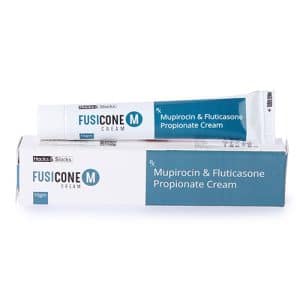
Fusicone – M Cream
-
Creams
Glyconia Cream
-
Creams
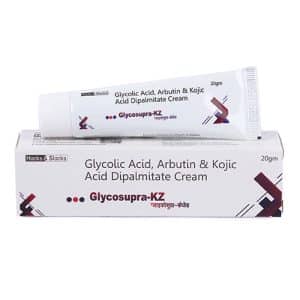
Glycosupra – KZ Cream
-
Creams
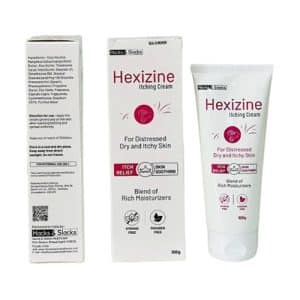
Hexizine Itching Cream
-
Creams
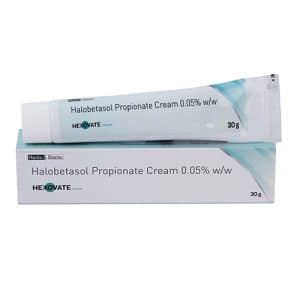
Hexovate Cream
-
Creams
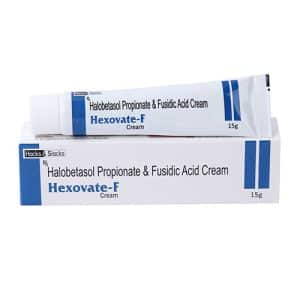
Hexovate – F Cream
-
Creams/Ointments/Gels
Hexovate – S Ointment
-
Creams
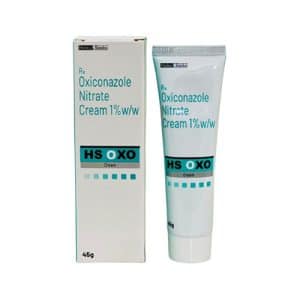
HS OXO Cream
-
Creams
HSGL – 6% Cream
-
Creams
HSGL – 12% Cream
-
Creams
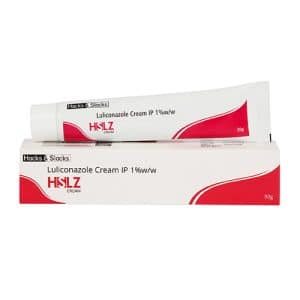
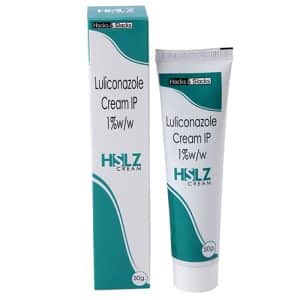
HSLZ Cream
-
Creams
HSLZ – XL Cream
-
Creams/Ointments/Gels
HSLZ – PMX Cream
-
Creams
HSLZ – B Cream
-
Creams/Ointments/Gels
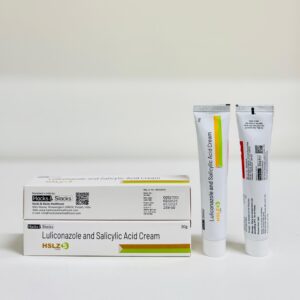
HSLZ – S Cream
-
Creams
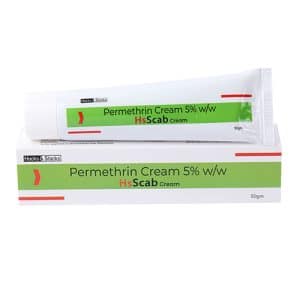
HsScab Cream
-
Creams
Ketocross Cream
-
Creams
Ketocross Cream
-
Creams
Ketocross – B Cream
-
Gels
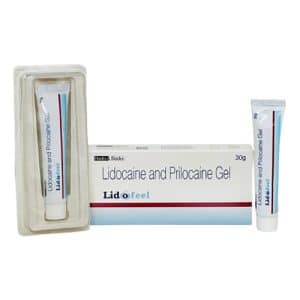
Lidofeel Gel
-
Creams/Ointments/Gels
Lissoflora Cream
-
Creams
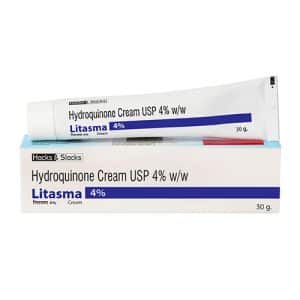
Litasma – 4% Cream
-
Creams
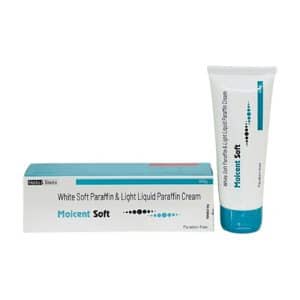
Moicent Soft Cream
-
Creams/Ointments/Gels
Moicent Soft Cream
-
Creams/Ointments/Gels
Moicent Max Cream
-
Creams
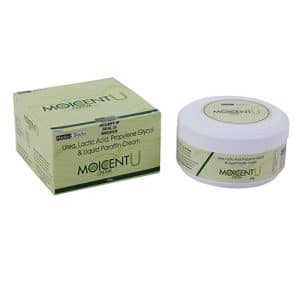
Moicent U Cream
-
Creams
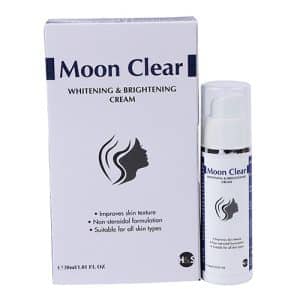
Moon Clear Cream
-
Creams
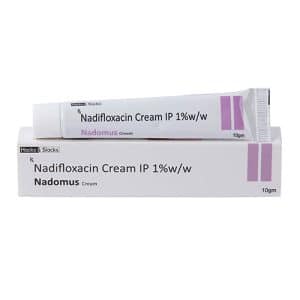
Nadomus Cream
-
Creams/Ointments/Gels
Nafitdew Cream
-
Creams
Nanomom Cream
-
Creams
Nanomom XL Cream
-
Creams
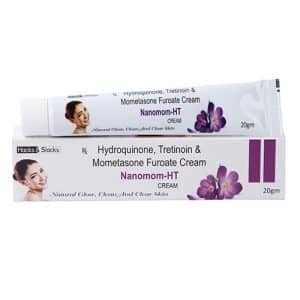
Nanomom – HT Cream
-
Creams/Ointments/Gels
Nanomom – Forte Cream
-
Creams
Nanomom – MN Cream
-
Ointments
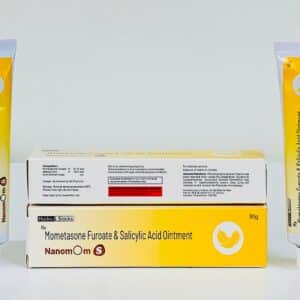
Nanomom – S Ointment
-
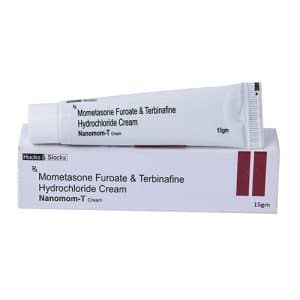
Creams
Nanomom – T Cream
-
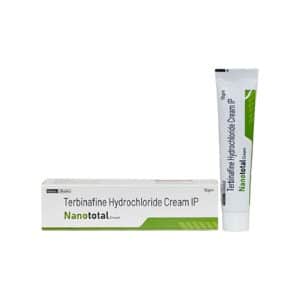
Creams
Nanototal Cream
-
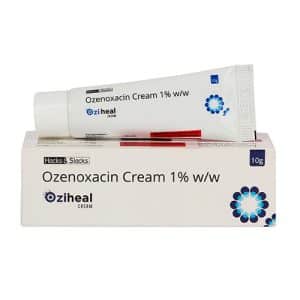
Creams
Oziheal Cream
-
Creams/Ointments/Gels
Pimocrol Cream
-
Creams
Snowwet Cream
-
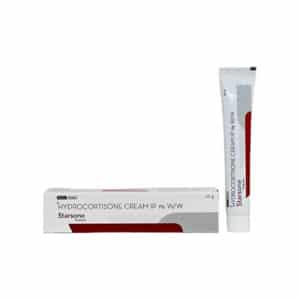
Creams
Starsone cream
-
Creams
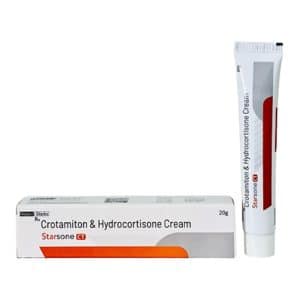
Starsone CT cream
-
Creams
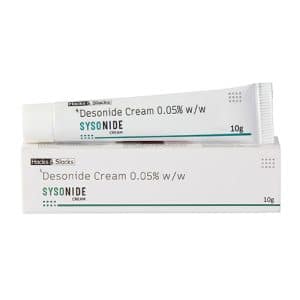
Sysonide Cream
-
Creams
Sysonide Cream
-
Creams
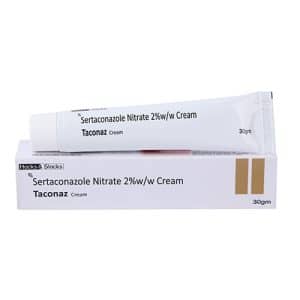
Taconaz Cream
-
Creams/Ointments/Gels
Taconaz – B Cream
-
Ointments
Taxomus Ointment
-
Ointments
Taxomus Forte Ointment
-
Creams/Ointments/Gels
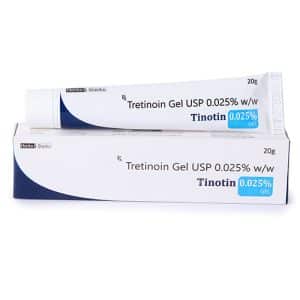
Tinotin – 0.025% Cream
-
Creams
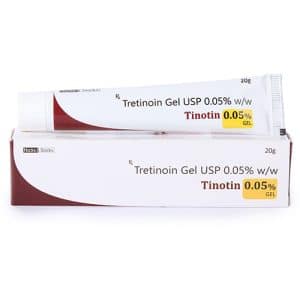
Tinotin – 0.05% Cream
-
Gels
Tinotin – 0.1% Gel
-
Creams/Ointments/Gels
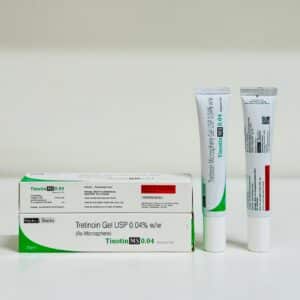
Tinotin – MS 0.04% Gel
-
Ointments
Tofasis ointment
-
Creams
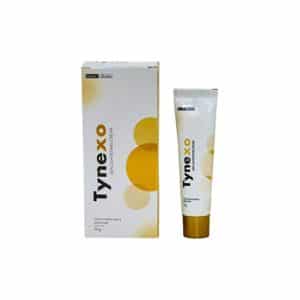
Tynexo Cream
-
Creams
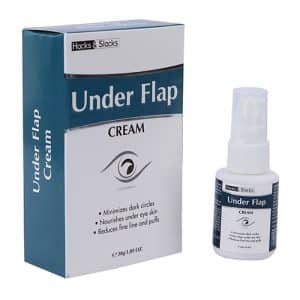
Under Flap Cream
-
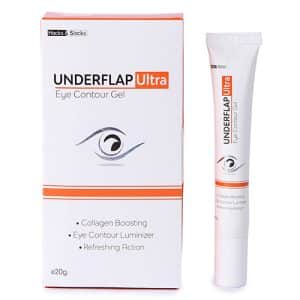
Gels
Under Flap Ultra Gel
-
Creams/Ointments/Gels
Womact Cream
-
Creams
Zelik Cream
-
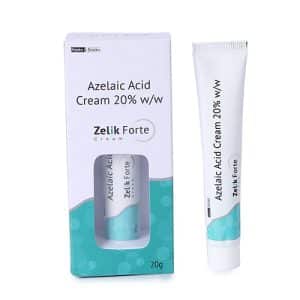
Creams
Zelik Forte
-
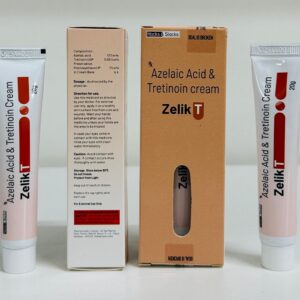
Creams/Ointments/Gels
Zelik – T Cream
-
Gels
Zerotral Gel
-
Creams
Zerotral – OCO Cream

























Creams/Ointments/Gels Franchise
Creams, ointments, and gels are produced so that they can help provide a cure to the allergy, skin infections, and many other health-related issues. These medicated creams are a protection against harsh environmental conditions and they keep the skin healthy. Applying these medicated ointments and gels if prescribed by the doctor can help you to get rid of the skin issues and can get you healthy and clear skin. We will talk about the benefits of applying the medicated creams and why they should be used to get rid of infections.
Understanding the Difference: Creams vs Ointments vs Gels
While consumers might refer to skin products such as creams, ointments and gels as being interchangeable, they are actually chemically quite different and appropriate to different skin types and skin conditions. The choice of base is of crucial importance for delivering the active into the skin in the most efficient way.
Creams
Creams are emulsions of water and oil, with approximately equal quantities of each. Their composition means that they are light, easily spread and absorbed and so form the most versatile base for a range of cosmetic and medicated products. They are suitable for use on normal-to-oily skin, larger areas of the body and during the day as they do not provide a heavy greasy film.
Ointments
Ointments are oil-in- dominant preparations, containing about 80% oil with very little water. Ointments are occlusive, forming a layer over the skin which prevents water loss. They are suitable for very dry cracked or thickened skin, e.g. psoriasis and chronic eczema, providing occlusion for longer periods and therefore enhanced hydration.
Gels
While some gels are alcohol-based, many are water-based and contain cellulose derivatives which give a light, non-greasy, fast penetrating texture. As no oil is added to the skin, gels are particularly appropriate for oily and acne-prone skin, and areas such as the scalp, where a matte, rather than dewy glistening, look is desired. Gels often have a cooling effect when applied, so are useful for inflammatory skin problems and for application in hot, humid conditions.
When to use ointment, gels or creams?
It will always depend on what your skin condition is. You can get the best advice from a dermatologist before using a cream, ointment, or gel.
Because ointments' thick, oil-based compositions help retain moisture, they might be a good choice for people with excessively dry skin. If you don't want the oily feel that many oil-based treatments leave behind, creams which can also be effective for dry skin might be a better option. This is particularly valid for hand creams. If you want to cure a burn or have oilier skin, you might want to use a gel-based solution.
Gels' high absorption rate can help reduce the likelihood of breakouts and make your skin feel less greasy overall.
What are the main benefits of applying creams/ointments/gels?
- They help retain the moisture of the skin and keep them hydrated. Furthermore, it also prevents the skin from dryness and flakyness.
- It also creates a layer over the skin that prevents the skin from losing water.
- They are effective in curing various skin conditions and rashes like psoriasis, eczema, and other skin-related conditions.
- It is effective in restoring natural healing and protecting the barrier of the skin. They can effectively make the skin look clean and healthy.
How to Choose the Right Formulation
The correct selection of a cream, ointment or gel comes down to the particular skin condition, the section of the skin where it will be applied and the patient skin type. As a general rule of thumb:
- Ointment (thicker and greasier than creams or lotions) is most suitable for very dry, flaky or thickened skin as the fats in the ointments tend to stay in the skin longer.
- In general, normal-to-combination and larger surface areas of the body are best treated with creams, which maintain a balance of formulation penetration and hydration.
- Gels are also preferred for: oily and acne-prone skin, and for conditions where a cooling, or drying effect is desired.
- Lighter formulation may be required in sensitive areas such as the face in the form of a cream or gel. Hands and feet due to regular washing often require a heavier preparation such as an ointment.
Hacks and slacks | Top creams/ointments/gels provider
A rising name in the Indian Pharma and dermatology franchise market, our Group is known for building product lines based on real market need and not on false glamour. Here’s the reasons why be hold the best accountability in your journey:
- A broad product basket that is continuously updated and spans multiple dermatological indications.
- Prepared from quality-assured raw materials and validated process.
- For an attractive monopoly based PCD franchise, available throughout the Country.
- Marketing and promotional support (visuals, product literature, samples).
- Pricing that reveals all, a track-record of punctual deliveries, and dependable supply chains.
For franchise partners, this means offering a reliable doctor-trusted line that's easier to sell and recommend. For patients, it means products they can trust to get healthy, beautiful skin.
Frequently asked questions
Who should use ointments?
Because ointments' thick, oil-based compositions help retain moisture, they might be a good choice for people with excessively dry skin. For instance, you may apply a thinner cream or lotion to your face and the rest of your body and an ointment to your hands and feet. Another way to protect skin and prevent dry hands is to apply an ointment after frequent hand washing.
What are the different types of ointments and gels available?
The company covers products for all types of skin conditions. The products are specially made keeping in mind the needs of the market and what skin conditions people go through daily. They have all the top-quality products available at reasonable prices.
How to know which product to use?
To have a clear idea about the products, diagnose your skin conditions properly with the doctor and they will prescribe you the right cream that has relevant compounds in it to cure the conditions.
What is the main difference between creams, ointments, and gels?
Creams are pre-dominately water and oil. Ointments are oil based and penetrate deeply, gels are completely water based, light and quickly absorbed.
Who can find the best results with ointments?
Individuals with excessively dry, cracked or thickened skin will find best results, as the fatty base of ointments prevents moisture loss for an extended period.
Are gels suitable for oily skin?
Yes, gels have a fast absorption, no greasy feel and are perfect for skin types which are greasy or prone to acne and not in need of heavier hydration.
Can I use these products without a doctor's prescription?
Cosmetic creams are safe to use every day but medicated formulations should only be used as prescribed by a dermatologist.
What skin conditions do these products treat?
Our products are suitable for managing all those common skin concerns including fungal, eczema, psoriasis, acne, pigmented, dry skin etc in a safe and effective manner.
How do I choose the right product for my skin?
First, see a dermatologist and they will determine your condition and prescribe your cream, ointment or gel as necessary.
Does Hacks & Slacks Healthcare offer franchise opportunities?
Yes. We are also providing monopoly based PCD pharma franchise in all India, with marketing back up and assured delivery.
Are your products manufactured under quality-controlled conditions?
But yes every product, then goes through a full quality check, raw material, manufacturing areas, hygiene testing for each batch and finish pack quality check, before stocking ready for dispatch.