

Fungal infection or mycosis, is a skin disease caused by a fungus. It occurs when your immune system is too weak to handle the infection in the body. Common fungal infection on the skin includes athlete’s foot, jock itch, and ringworm. They are easy to get and spread but rarely spread beyond the skin’s surface, making them easy to treat. Today we have brought you people with the list of Top Dermatology Creams to Treat Fungal Infections on Skin in India.
The products listed below are highly safe and reliable for the patients and does not have any side effects. being highly recommended by leading dermatologists, these creams are highly in demand in the marketplace. Check out this blog to get to know about the Top Dermatology Creams to Treat Fungal Infections on Skin in India and make the best choice for your business.
Recognising fungal skin infections: An increasing problem in India
Fungal skin infections are now a significant problem in India, given India’s humid and tropical weather conditions. Problems like ring worm, athlete’s foot, jock itch, candida, and fungal nail infections are encountered by millions of people each year. Abundant perspiration, improper hygiene, snug clothes, low immunity and prolonged dampness is what provide favourable growth conditions for these infections to spread and flourish.
Types of common Fungal Infections of the skin
It is wise to know the type of fungal infection one has before applying any antifungal cream on the skin.
Ringworm (Tinea Corporis)
Ringworm of the skin is a circular, red, and itchy rash which spread slowly on the skin.
Athlete’s Foot (Tinea Pedis)
This is commonly suffered by those who have to wear shoes over prolonged period. This also causes overproduction of sweat.
Jock Itch (Tinea Cruris)
this type of infection is more common in groin area during warm and humid conditions.
Candidiasis
This is a yeast infection which occur in creases on the body where moisture gets trapped.
Tinea Versicolor
This is a type of Fungal Infection of the skin where discoloured patches appear on the chest, neck, shoulders and back.
Why Fungal Infections are on the rise in India
Here are some of the factors contributing to the rise in fungal infections.
- Warm climate and humidity
- More and more people are joining sports and gyms
- Wearing tight synthetics
- Increased sweating
- Diabetes and Obesity
- Indiscriminate use of steroid-based creams
- Lack of personal hygiene
Across India, dermatologists observed a 10-fold increase in recurring fungal infections in last ten years, which proves the need for the right treatment and prevention is significant.
Key ingredients to look for in an Antifungal Cream
|
Ingredient |
Common Use |
| Clotrimazole | Ringworm, athlete’s foot and candida |
| Ketoconazole | Broad Spectrum Fungal Infections |
| Terbinafine | Dermatophyte infections |
| Sertaconazole | Persistent fungal infections |
| Luliconazole | Modern broad spectrum antifungal treatments |
| Eberconazole | Fungal and inflammatory skin conditions |
How to Prevent Recurring Fungal Infections
Even the best antifungal cream may fail if preventive measures are ignored.
To reduce recurrence:
- Keep affected areas dry
- Change sweaty clothes immediately
- Avoid sharing towels and personal items
- Wear breathable cotton clothing
- Maintain proper hygiene
- Use antifungal powders when recommended
- Complete the full course of treatment
Many fungal infections return because patients stop treatment as soon as symptoms improve.
When Should You Consult a Dermatologist?
While mild fungal infections can often be managed with appropriate topical treatments, medical advice is necessary when:
- Infection spreads rapidly
- Symptoms persist despite treatment
- Recurrence is frequent
- Multiple family members are affected
- Infection involves the scalp or nails
- Severe itching or inflammation develops
Professional diagnosis helps ensure the correct treatment plan is followed.
Why Choose Dermatology-Based Antifungal Products?
Dermatology-focused formulations are developed to provide targeted treatment against fungal organisms while minimizing irritation and improving patient compliance.
Benefits include:
- Faster symptom relief
- Better infection control
- Reduced recurrence
- Improved skin healing
- Dermatologist-recommended ingredients
This is one reason why dermatology companies continue expanding their antifungal product portfolios to meet growing demand.
Future of Dermatology and Antifungal Care in India
The Indian dermatology market is experiencing substantial growth due to increasing awareness of skin health, better healthcare access, and a rising prevalence of fungal and other skin disorders.
Industry analysts expect continued growth in:
- Prescription dermatology products
- Antifungal creams
- Medicated cleansers
- Hair and scalp treatments
- Specialized skincare formulations
As consumers become more aware of proper skin care and treatment options, demand for effective dermatology products is expected to remain strong in the coming years.
List of 7 Best Anti-Fungal Creams For Skin in India
Below are the best creams for mycosis infection. Check these best antifungal and antibacterial creams in India and make the best choice for yourself.
1. Zerotral-OCO Cream For Skin Infection

Composition: Itraconazole, Ofloxacin, Clobetasol Propionate, Ornidazole Cream
The combination medication is highly beneficial for treating a fungal infection on the skin. It helps in minimizing the symptoms like itching, redness, and swelling and also helps in inflammation issues. The cream works by clearing the infection and blocking the release of chemicals that causes the symptoms.
- Clinically tested
- WHO-verified
- Zero side effects
2. Taconaz Cream For Feet and Toe Infection
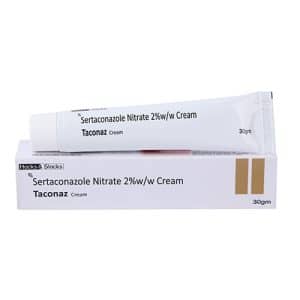
Composition: Sertaconazole Cream
Sertaconazole belongs to the imidazole class of drugs and is used to treat tinea pedis (a fungal infection of the skin on the feet and between the toes). It works by inhibiting the growth of infection-causing fungi that causes infections such as athlete’s foot, Dhobie Itch, thrush, ringworm, and dry, flaky skin. It is a prescribed medicine that must be used following the doctor’s advice.
- Provides quick relief
- Reduces irritation and itchiness
- Provides soothing skin
3. Ketocross-B Cream For Pityriasis

Composition: Ketoconazole, Beclomethasone Dipropionate Cream
Ketocross-B Cream contains the best anti-fungal agents. It belongs to the imidazole class of medicines which works by killing the fungi and preventing their growth on the skin. This medicine is also used to treat pityriasis (tinea versicolor), a fungal infection that causes the skin on the neck, chest, arms, and legs to lighten or darken.
- Also used for candida infection
- Relieves rapid irritation from the infection
- Provides a cooling effect on the skin
4. Clomust-BN Cream For Ringworm
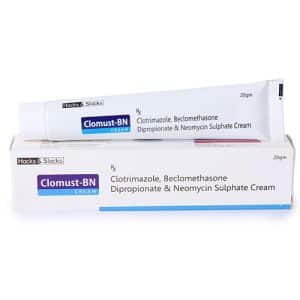
Composition: Beclomethasone Dipropionate, Neomycin Sulphate and Clotrimazole Cream
Clomust-BN Cream, formulated with Beclomethasone Dipropionate, Neomycin Sulphate and Clotrimazole, is a multi-purpose cream. It is used for fungal and bacterial infections and also has anti-inflammation properties. It clears the infection and relieves the symptoms by killing and stopping the growth of infection-causing microorganisms. This cream also prevents the release of chemicals that cause itching, redness, and swelling.
5. Ebercone Cream For Dermatophytoses
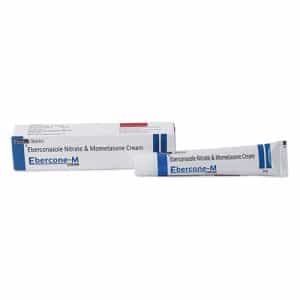
Composition: Eberconazole Cream
Eberconazole is a topical antimicrobial cream that can be used to treat dermatophytoses, candidiasis, and pityriasis. It stops fungal growth by preventing the formation of fungal protective coverings. Cracking, burning, scaling, and itching of the skin caused by infections can be relieved with this cream.
6. Nanomom – MN Cream For Jock Itch

Composition: Mometasone + Miconazole + Nadifloxacin Cream
Nanomom – MN Cream is used to treat fungal skin infections that cause swelling, itching, and redness. By preventing infection-fighting white blood cells (WBCs) from travelling to the affected area, mometasone reduces inflammation, itching, and redness. Miconazole and Nadifoxacin are antifungal and bactericidal agents that kill fungi by causing holes in their cell membranes.
- Reduces swelling and itchiness
- Soothes the skin
- Attacks the fungal infection on the skin
7. HSLZ Cream For Tinea Infection
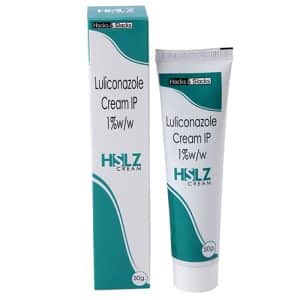
Composition: Luliconazole Cream
Luliconazole is prescribed for the treatment of tinea pedis, tinea cruris, and tinea corporis. It belongs to the azole class of antifungal medications, which works by inhibiting the growth of infection-causing fungi. It aids in the treatment of fungus and yeast infections. The cream is only intended for use on the outside of the body and is known to provide quick relief from the infection.
Conclusion
The products mentioned above are all highly safe and effective for treating fungal infection on the skin. With the help of these creams, you can get rid of the itching and fungal infection that you might have. Use any of these products and get them clean and healthy skin back.
FAQs
Which cream is most effective for fungal skin infections?
The effectiveness depends on the type of infection and the active ingredient prescribed by a healthcare professional.
Can fungal infections spread from person to person?
Yes. Many fungal infections are contagious and can spread through direct contact or shared personal items.
How long does it take for antifungal creams to work?
Most patients begin seeing improvement within a few weeks, but treatment duration varies depending on the infection.
Can fungal infections return after treatment?
Yes. Recurrence is common if hygiene measures and the full treatment course are not followed.
Should I stop using antifungal cream once symptoms disappear?
No. It is important to complete the recommended treatment duration to prevent recurrence.